





| As Featured In: |
|
|
Master the King of All Exercises
Deadlifting Secrets 101 Everything you need to know about this complex exercise. Free Video Training |
![]() Show and Go: High Performance Training to Look, Feel, and Move Better |
|||
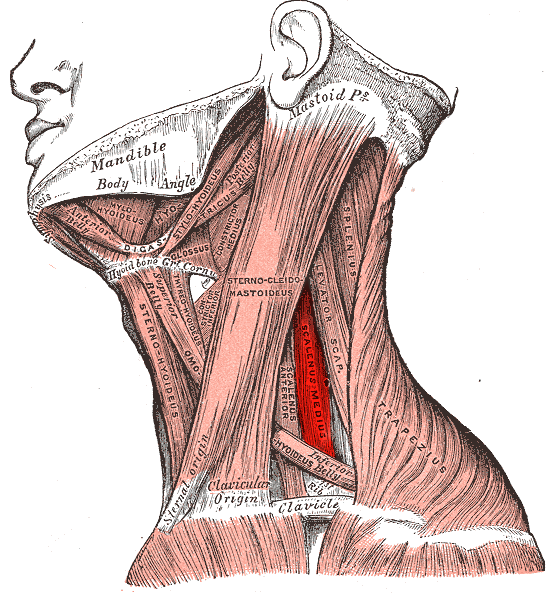
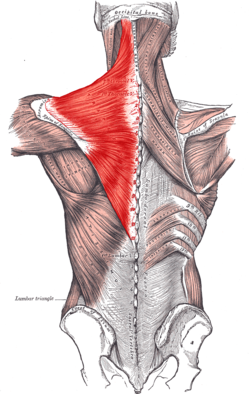
Shoulder Hurts? Start Here.Written on May 16, 2011 at 7:45 am, by Eric Cressey As you can probably imagine, given that I deal with a ton of baseball players – and the fact that I’ve written about shoulder pain a ton over the past decade – a lot of people initially come to Cressey Performance because their shoulder hurts. It might be rotator cuff pain, AC joint irritation, or any of a host of other issues, but you’d be surprised at how many similarities there are among the ways that you address most of these issues. The problem is that pain can throw a wrench in your plans and limit you in your ability to get to exactly where someone needs to improve movement-wise. For instance, you might have someone who has a significant glenohumeral (ball-and-socket) internal rotation deficit, but it’s hard to manually stretch them into internal rotation without further irritating a cranky AC joint. Or, someone with a partial thickness rotator cuff tear may be dramatically limited in shoulder flexion, but even shoulder flexion with assisted scapular posterior tilt and upward rotation exacerbates their symptoms. Very simply, you can’t just pound round pegs into square holes when it comes to dealing with a delicate joint like the shoulder – and that applies to both asymptomatic and symptomatic shoulders. To that end, there are three initiatives that I think are the absolute most important places to start in just about every case. First, I’m a huge advocate of soft tissue work with a skilled manual therapist. In our office, we have a massage therapist and chiropractor who performs both Active Release and Graston. And, we make sure that any physical therapist to whom we refer clients uses manual therapy as an integral part of their treatment approach. Whether you’re a regular exerciser or not, tissues can get dense, nasty, and fibrotic, and integrating some hands-on work on the pec minor, posterior rotator cuff, lats, scalenes, sternocleidomastoid, and several other areas can dramatically reduce an individual’s symptoms and improve range-of-motion instantly – and that allows us to do more with a corrective exercise program. Understandably, not everyone has access to a qualified manual therapist all the time, so you can always utilize self-myofascial release in the interim. Here, in a video from Show and Go: High Performance Training to Look, Feel, and Move Better, CP massage therapist Chris Howard goes over a quick and easy way to loosen up the pecs: The second area where you really can’t go wrong is incorporating thoracic spine mobilizations. The thoracic spine has direct interactions with the lumbar spine, rib cage, cervical spine, and scapulae; as a result, it has some very far-reaching effects. Unfortunately, most people are really stiff in this region – and that means they wind up with poor core and scapular stability, altered rib positioning (which impacts respiration), and cervical spine dysfunction. Fortunately, mobilizing this area can have some quick and profound benefits; I’ve seen shoulder internal rotation improve by as much as 20 degrees in a matter of 30 seconds simply by incorporating a basic thoracic spine mobility drill. That said, not all thoracic spine mobility drills are created equal. Many of these drills require the glenohumeral joint to go into external rotation, abduction, and horizontal abduction in order to drive scapular posterior tilt/retraction and, in turn, thoracic spine extension and rotation. If you’ve got a cranky shoulder, this more extreme shoulder position usually isn’t going to go over well. So, drills like the side-lying extension-rotation are likely out: For most folks, a quadruped extension-rotation drill will be an appropriate regression: And, if the hand position (behind the head) is still problematic for the shoulder, you can always simply put it on the opposite shoulder (in the above example, the right hand would be placed on the left shoulder) and keep the rest of the movement the same. Last, but certainly not least, you can almost always work on forward head posture from the get-go with someone whose shoulder hurts. We start with standing chin tucks, and then progress to quadruped chin tucks. Additionally, working on cervical rotation is extremely valuable, although teaching that is a bit beyond the scope of this post. Keep in mind that these three broad initiatives are really just the tip of the iceberg when it comes to a comprehensive corrective exercise plan that would also include a focus on scapular stabilization and rotator cuff exercises, plus additional mobility drills. They are, however, safe entry-level strategies you can use with just about anyone to get the ball rolling without making a shoulder hurt worse in a strength and conditioning program. For more information on what a comprehensive shoulder rehabilitation program and the concurrent strength and conditioning program should include, check out Optimal Shoulder Performance, a DVD set I co-created with Mike Reinold, the Head Athletic Trainer and Rehabilitation Coordinator of the Boston Red Sox. The Optimal Shoulder Performance DVD is a phenomenal presentation of the variables surrounding shoulder health, function, and performance. It combines the most current research, real world application as well as the the instruction on how to implement its vast amount of material immediately. After just one viewing, I decided to employ some of the tactics and methods into our assessment and exercise protocols, and as a result, I feel that myself, my staff and my clients have benefited greatly.
Shoulder Pain vs. Neck PainWritten on December 8, 2010 at 10:30 am, by Eric Cressey Here are a few recommended reads for the week: Shoulder Pain vs. Neck Pain – This old post highlights a simple, but very accurate observation from Mark Comerford. 28 Synergistic Factors for Success – I wrote this article at T-Nation back in 2005, but it still holds water and will make you appreciate how many differen factors are impacting your progress. Too Much Vitamin D? – This great Q&A from Brian St. Pierre addresses this new question that seems to be popping up quite a bit. Sign-up Today for our FREE Newsletter and receive a deadlift technique tutorial! Strategies for Correcting Bad Posture – Part 2Written on December 1, 2010 at 7:51 am, by Eric Cressey Today, we move forward with more strategies for correcting bad posture. In case you missed it, be sure to check out Strategies for Correcting Bad Posture: Part 1. We pick up with tip #5… 5. Don’t overlook a lack of glenohumeral (shoulder) joint internal rotation. When it comes to bad posture, everyone thinks that the glenohumeral joint is only a “player” when it’s stuck in internal rotation; that is, the ball – or humeral head – is rotated too far forward on the socket – or glenoid fossa – meaning that the individual just doesn’t have adequate external rotation. And, this is often true – especially in non-athletic populations. However, you’ll also very commonly see poor posture folks who present with big glenohumeral internal rotation deficits (GIRD), particularly on the right side (for very legitimate reasons that go well beyond the scope of this article). This is much more common in athletes, particularly overhead throwers (read more: Static Posture Assessment Mistakes). When the posterior rotator cuff is stiff/short and there is an internal rotation deficit, we have to substitute excessive scapular protraction (winging) or thoracic flexion/rotation each time we reach for something. So, for many folks, posterior shoulder mobility and soft tissue work is an important inclusion in cleaning things up in terms of appearance, function, and shoulder health. If – and only if – you’ve been assessed and it’s been determined that you have an internal rotation deficit that compromises your total motion at the glenohumeral joint, you can integrate some gentle sleeper stretches (scapula stabilized!) to get a bit more ROM in the posterior cuff. 6. Don’t overlook a lack of glenohumeral (shoulder) joint flexion. The shoulder is a tremendously mobile joint, so we need to appreciate what goes on outside the transverse plane as well. In particular, I see shoulder flexion limitations as a big problem. These limitations may come from the lat, teres major, long head of the triceps, or inferior capsule. Another overlooked cause can be posterior cuff restrictions; it’s not uncommon to see both GIRD and major shoulder flexion limitations on the same side. As the picture below shows, the infraspinatus and teres minor run almost vertically when the arm is abducted a mere 90 degrees – which means that they’re struggling to lengthen fully to allow full shoulder flexion (and abduction, for that matter). These restrictions that can contribute to both faulty compensation patterns in certain positions, as well as overall bad posture chronically. Let’s have a look at what these issues look like in the real world. First, in someone with a shoulder flexion limitation, you’d first want to check them in the supine position, with the knees flexed and back flat (to avoid substituting lumbar extension for shoulder flexion). Ideally, the arms should rest flat on the table – so this would be a “not-so-hot” result (especially since the arms “fall” to the sides a bit instead of staying in “attempted flexion”): Next, let’s take this same shoulder flexion limitation, and look at what would happen actively. In the first three reps of the video below, take note of the position of our subject’s head at the start and finish of each rep; you’ll see that as he “runs out” of shoulder flexion, he substitutes forward head posture. On the next three reps, after I cue him to keep his cervical spine in a more neutral posture, he has to arch his back excessively (lumbar hyperextension) to complete the movement. Now, imagine taking this walking disaster (only kidding; I had Dave fake it for the video, as he’s actually a finely tuned trained killing machine who can’t be stopped by conventional weapons – and he’s single, ladies) taking up overhead pressing, Olympic lifting, or just reaching for a glass on the top shelf. Then, imagine him doing those tasks over and over again. Obviously, the posture will get worse as he reinforces these compensation schemes – but something is going to surely break down along the way; it’s just a question of whether it’s his low back, shoulder, or neck! Correcting these issues is easier said than done; as I noted, there are several structures that could be the limiting factor. However, for those looking for a relatively universal stretch they can use to get a bit of everything, I like the wall lat stretch with stabilization, one piece of a comprehensive (but not excessive and boring) static stretching program included in Show and Go. 7. Don’t ignore the thoracic spine. The previous two examples focused exclusively on the glenohumeral joint, but the truth is that it is tremendously dependent on thoracic spine positioning. Ask any physical therapist, and they’ll tell you that if they can get the thoracic spine moving, they can instantly improve glenohumeral joint range-of-motion without even touching the shoulder (this is incredibly valuable with folks who may have stiff glenohumeral joints that can’t be mobilized aggressively following shoulder surgery; they need ROM in any way possible). And, truthfully, you can substitute a lack of thoracic spine extension for the shoulder flexion problems and compensation schemes above, and a lack of thoracic spine rotation can work in much the same way as a GIRD (substitute excessive scapular protraction with reaching tasks). If you ever want to quickly check to see what limiting thoracic extension does to someone’s upper body posture, just put them in supine position and push the sternum/rib cage down – which will bring the thoracic spine into flexion. Watch what happens to the position of his chin, and the size of the “gap” between his neck and the table: Now, just consider what kind of “yank” this puts on the sternocleidomastoid chronically… …and you’ll understand why a lack of thoracic spine mobility can give people enough neck pain and tension headaches to make Lindsay Lohan’s hangovers look like a walk in the park. And this doesn’t even consider what’s going on with scalenes, suboccipitals, levator scapulae, subclavius, and a host of other muscles that are royally pissed off! Also, think about all those folks in your gym doing hours and hours of crunches (especially while tugging on the neck). Ouch. For that reason, we need to get our thoracic spine moving – and more specifically, we need to get it moving in both extension and rotation. I’ve mentioned in the past that the side-lying extension-rotation is one of my favorites (assuming no symptoms); remember that the overwhelming majority of the range-of-motion is coming from the upper back, not just the shoulder: Here’s another we’re using quite a bit nowadays in our folks who have good internal rotation (which we want to keep!): 8. Watch your daily habits and get up more frequently. I’m at 1,140 words for this post right now – plus several pictures and videos. In other words, some of you might have been hunched over your computer screens trying to figure out what I’m saying for over 20 minutes now – and that’s when “creep” starts to set in an postural changes become more and more harmful (both aesthetically and functionally). With that in mind, make a point of getting up more frequently throughout the day if you have to be sitting a ton. Likewise, “shuffle” or “fidget” in your chair; as Dr. Stuart McGill once said, “The best posture is the one that is constantly changing.” Now, shouldn’t you get up and walk around for a few minutes? I’ll be back soon with Part 3 of this series, but in the meantime, I’d encourage you to check out Show and Go: High Performance Training to Look, Feel, and Move Better, a comprehensive program that includes many of the principles I have outlined in this series. Sign-up Today for our FREE Newsletter and receive a deadlift technique tutorial. The Who-What-When-Where-Why of Flexibility TrainingWritten on June 23, 2009 at 6:55 am, by Eric Cressey I got this question the other day and thought I’d share my response: Q: When significant improvements in flexibility are either desired or needed, do you have any general suggestions with regard to what method(s) and type of schedule set-up (frequency, duration of session, etc.) would help accomplish this in the most timely and efficient manner possible? A: As always, my answer would be “it depends.” And, more specifically, it depends on whether you are talking about short or stiff tissue. If a tissue is legitimately short – meaning that it has lost sarcomeres due to chronic immobilization – longer duration holds are ideal. Bill Hartman and Mike Robertson go into great detail in covering this in the Indianapolis Performance Enhancement DVD Set, as I noted HERE. If you are dealing with someone with capsular issues (outside the scope of practice of the personal trainers and strength coaches out there, in most cases), then you might just leave them alone with 15 minutes of low-load passive stretching (e.g., theraband wrapped around a DB to hold the shoulder in external rotation after a period in a sling). Going back to our “loss of sarcomeres” scenario, if you’re dealing with something more muscular-only issues, the least you’ll want is five 30s holds throughout the day, in my experience. Or, if feeling bold, you can have people set up for 3x5min holds or 1x15min hold. In both cases, total duration over the course of the day is likely more important than duration per stretch. If it’s stiff, in order to get it to relax, you likely need to train an adjacent tissue that acts as a synergist. A good example would be strengthening the lower traps to take the stress off chronically overused upper traps and the stiff neck that follows. Or, we have activating the glutes to take the stress off the lumbar erectors and/or hamstrings and adductor magnus. Here is a great blog post from Bill Hartman that closely illustrates the point that you don’t necessarily have to stretch a muscle to reduce its stiffness. Of course, you can never go wrong with integrating a good dynamic warm-up program prior to exercise, as this option challenges both range-of-motion and stability to provide a comprehensive training effect in a matter of minutes. So, in the end, it’s different strokes for different folks – at different times, with different issues. Keep an eye out for an upcoming project from Bill, Mike, and I that really delves into this in great detail. It’ll be the most comprehensive resource out there for self-assessment and corrective exercise. Newsletter 136Written on December 10, 2008 at 7:53 am, by Eric Cressey You probably noticed that the newsletter is a day late this week. I have been absolutely swamped with the goings-on at Cressey Performance on top of heading to a big baseball seminar in Houston this weekend (fly out Thursday night). Fortunately, though, this full schedule provided me with the idea for this newsletter. With the chaos of the past week, I didn’t have time to do my normal cooking and food prep for the week on Sunday night. So, Tuesday morning (had already had a normal breakfast), with about twenty minutes left before I needed to head out to work, I looked in the fridge in hopes of pulling together a few meals from a stir fry or casserole. Nothing was there. As a result, I just wound up grabbing a half-empty tub of cottage cheese and added a tablespoon of psyllium husk powder for fiber. Later in the day, I’d add some Superfood and a scoop of low-carb Metabolic Drive, and had that concoction with a handful of almonds from the stash in the top drawer of the desk in my office. Another meal was a Metabolic Drive bar, and a third was simply a shake with Superfood and some Flameout (fish oil) and almonds. Obviously, it wasn’t an ideal daytime meal plan – and it certainly wasn’t an aesthetically-pleasing culinary masterpiece like you’d see in John Berardi’s Gourmet Nutrition Cookbook, but it got me through the 8-10 hours.
This certainly wasn’t optimal, but it was a nutritional “out” for me: it got calories in, kept my energy levels up, and did so without blowing my diet with unhealthy convenience foods. Having good food easily accessible to me is huge when things get busy; I’ll roll with mixed nuts, protein powders, protein bars (homemade and Biotest ones), Superfood, and beef jerky. We’re also lucky to have a cafeteria in our building, and a good take-out place with awesome salads just about three miles down the road. So, in my eyes, there is never a reason for me to eat garbage – even if I haven’t had time to cook up good stuff for myself. Obviously, this can be applied to diet, but it also has applications in other facets of your healthy lifestyle. From a training logistics standpoint, what happens if you walk in to your gym to squat, and find that the only squat rack is occupied and there is a long line waiting to use it. Do you stand in line, or do you go to trap bar deadlifts (option A) or walking dumbbell lunges (option B)? Also along the training lines, but with more of injury perspective, what do you do if your shoulder starts acting up when you go to barbell bench press? Do you try to push through it, skip it altogether, or move to neutral grip dumbbell bench presses (option A) or a push-up variation (option B)? (As an aside, I just wrote an article covering these situations; check it out HERE) How about professionally? If you’re a trainer or a strength coach, if something stumped you, who do you contact? Have you built a good network of health care professionals with both general expertise and specializations? Case in point, one of my current clients started up with me in December of 2006, and he came to me with a C5-C6 disc hernation that had left him with numbness in the tip of his middle finger for the previous ten years – and none of the neurologists and physical therapists he’d seen could do anything about it. I introduced him to John Pallof, PT, COMT, and John had complete feeling back in his finger within two sessions from a combination of manual therapy and neural flossing. Nowadays, John sees every neck issue that comes to Cressey Performance. Likewise, Dr. Bill Morgan sees all our significant wrist and elbow issues – and the list goes on and on. So, it’s not just about having a network; it’s about having a network of great people, some of whom specialize in certain areas. I had dinner with Dave Tate a while back, and I recall him saying that he was less concerned with knowing everything and more concerned with knowing who to call to find out everything. Dave was right on the money. What about easily accessible resources? What books, DVDs, journals, and newsletters do you consult on a regular basis to stay on top of things and research new issues that cross your path? Improving your own abilities is just as important as expanding your network. If you haven’t seen it already, a while back, I compiled a Recommended Resources page outlining my recommendations for both free websites and products you can use to stay ahead of the game. At risk of sounding overconfident, I think that the Building the Efficient Athlete DVD set is something that every trainer and strength coach should watch, as it covers everything from functional anatomy, to static and dynamic assessments, to troubleshooting common resistance training technique mistakes. Food for thought – and hopefully a little something for everyone. New Blog Content Random Friday Thoughts Have a great week! EC Shoulder or Neck PainWritten on October 22, 2008 at 7:30 am, by Eric Cressey Mark Comerford made a really good point last weekend when he was talking about differentiating between neck and shoulder-related upper extremity pain. In many cases, the symptoms are very similar. For instance, both labral problems and cervical spine impingement can cause numbness into the lower arm. And, both rotator cuff tendinopathies and tears and cervical spine issues can refer pain to the medial border of the scapula. Comerford noted (and it holds true in everyone that I’ve seen) that when you have something from the cervical spine (neck), weakness is greater than pain. Conversely, if it’s a problem of shoulder origin, there is generally more pain than weakness. Simple, but I’ve never heard of anyone actually put it out there. Smart dude. Neanderthal No More: Part VWritten on December 22, 2004 at 3:50 pm, by Eric Cressey It’s been a while since Part IV so those of you following this program are probably chomping at the bit for the conclusion. Chomp no more, because this is it! The program contained in this article is designed to reintroduce more of the traditional exercises that you’ve grown to love while still maintaining the emphasis on postural corrections through appropriate prioritization and volume manipulation. Essentially, it’s one step closer to the balanced training programs you should seek to create. Remember, we shifted the balance in the opposite direction to start to take care of the problems created by lack of balance in previous programs. This program will last three weeks (and is meant to follow the first program outlined in part IV), after which you’ll want to have a back-off week consisting of markedly lower volume. Oh, and even if you’re not following the entire “Neanderthal No More” program, you’ll still learn some new exercises you’ve probably tried before. Here are the goods: Feel Better for 10 BucksWritten on July 12, 2004 at 2:41 pm, by Eric Cressey Ten bucks doesn’t buy much nowadays. You could pick up a day pass at some commercial gym, or pull off the co-pay on a visit to the chiropractor. If you’re lucky, you might even be able to swing a mediocre Russian mail order bride. Or, you could just go the safe route with your $10, take our advice, and receive a lifetime of relief from the annoying tightness so many athletes and weekend warriors feel from incessantly beating on their bodies. Don’t worry, this isn’t an infomercial. We just want you to pick up a foam roller for self-myofascial release and deep tissue massage. Neanderthal No More: Part IVWritten on July 1, 2004 at 3:48 pm, by Eric Cressey After reading Part 1, Part 2, and Part 3, you’ve probably come to grips with the fact that you have a greater resemblance to Cro-Magnon man than you previously thought. Now, what are you going to do about it? The program outlined below is designed to keep your current strength levels intact while correcting the muscle imbalances holding back your strength and physique. We have two primary goals: 1) Hit the global muscles hard and heavy with a four-day per week program. 2) Hit the local muscles daily (or at the very least on off days) to take advantage of the motor learning effects produced by frequent, low-intensity training. What are “global” and “local” muscles? Local muscles (also known as the deep muscular system) are extremely important when we’re discussing posture improvements. The primary roles of the deep muscular system are motor control, segmental stabilization, and fine-tuning of movements. On the flip side, you have the global (or superficial) muscle system. The primary role of the superficial muscle system is to produce movement, power, and torque. As a general rule, when you have significant postural issues, your global or superficial system is overactive and the deeper system is inhibited or weak. Neanderthal No More: Part IIIWritten on June 10, 2004 at 3:46 pm, by Eric Cressey After covering all the “what’s” and “how’s” of the most common postural problems in Part I, we focused on some self-assessment tools in Part II. Those self-assessments are certainly valuable tools, but they can sometimes be too subjective if you aren’t accustomed to assessing these problems. With that in mind, use the results of those tests in conjunction with the cases studies featured in this article to really get an idea of how significant your problems are and how to correct them. |
|